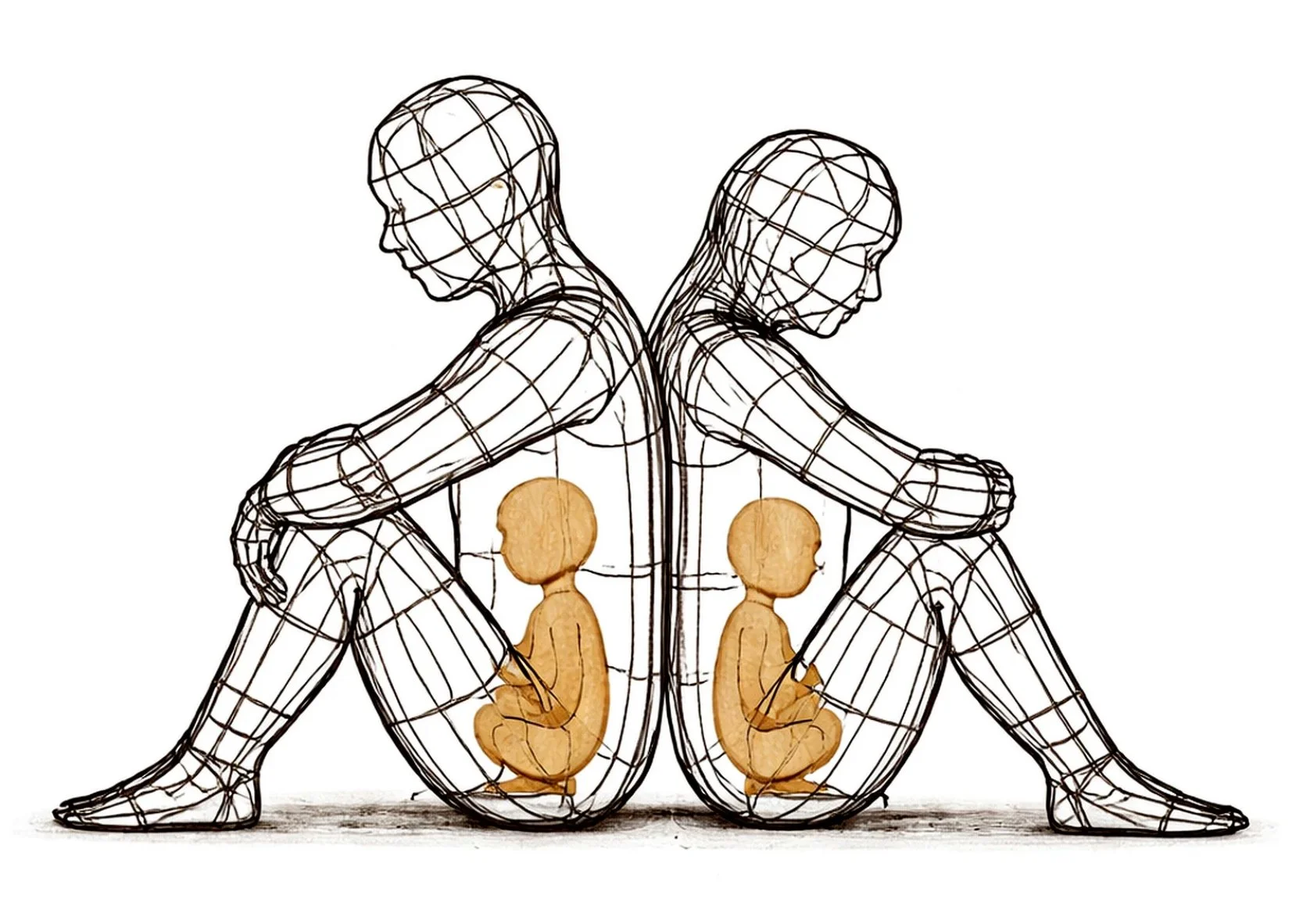
Are we incompatible? (Or just stuck?)
A gentle reflection guide for when your relationship feels confusing
If you’re here…
You might be questioning your relationship in a way that feels hard to explain.
You might be thinking…
Is it that we are just too different?
Perhaps you’ve started wondering whether the differences between you are simply part of who you are, or whether they’ve become something that’s creating distance instead of connection. It can be difficult to know whether what you’re experiencing is a natural difference to navigate, or a sign that you’re no longer moving in the same direction.
Is this something we can work through?
Maybe you’re caught between hope and uncertainty, unsure whether this is a season that can be understood and navigated together, or whether it’s pointing towards something more fundamental. When clarity feels out of reach, it can leave you feeling stuck between wanting to stay and wondering whether anything can truly change.
Why does this feel harder than it should?
You may find yourself looking at other relationships and wondering why yours seems to require so much effort. When the same moments of tension repeat themselves, it’s easy to begin questioning whether relationships are supposed to feel this difficult.
Am I just expecting too much?
You may have started questioning yourself just as much as the relationship, wondering whether your needs are realistic or whether you’re asking for something that simply isn’t possible. Over time, it can become difficult to separate your own self-doubt from what’s actually happening between you.

Part One. Two different things that can feel the same.
When a relationship feels difficult, it’s easy to assume “we might not be compatible”.
But often, what’s actually happening is something else entirely. Let’s separate two things that often get mixed up.
Incompatibility.
-
Sometimes the challenge is communicating what matters most to each of you. Values shape the way we make decisions, prioritise our lives, and imagine our future. When those values consistently pull in different directions, the relationship can begin to feel like you’re building two different lives, even when your love for one another is genuine.
-
Compatibility is often about the life you’re trying to create together. Whether it’s differing views on commitment, marriage, children, monogamy, or the structure of your relationship, these differences can become difficult to navigate if they represent needs that neither person can comfortably compromise on.
-
Our emotional needs evolve throughout our lives, and sometimes two people grow in different directions. One partner may long for more closeness while the other values greater independence. Neither need is inherently right or wrong, but when those needs remain consistently unmet, it can leave both people feeling misunderstood despite their best intentions.
-
Relationships naturally change over time, but it’s worth noticing whether you’re continuing to grow alongside one another or gradually growing apart. If your hopes, ambitions, or sense of purpose are taking you towards different futures, the relationship can begin to feel increasingly difficult. It can feel like you are no longer travelling down the same path.
This tends to be more structural. It can look like…
When these differences are structural rather than relational, better communication alone may not resolve them. Understanding the difference between incompatibility and recurring patterns is often the first step towards greater clarity.
Patterns.
Patterns are relational, they happen between you. It can look like…
-
It may feel as though you’re having lots of different disagreements, but beneath them lies the same unresolved pattern. The topic changes, yet the emotional experience remains familiar; one of you pursues, the other withdraws; one seeks reassurance while the other feels criticised. It’s more about how you find yourselves relating in those moments.
-
Perhaps you’ve explained yourself countless times, yet somehow still leave the conversation feeling unheard. Over time, both partners can begin to anticipate being misunderstood, responding not only to what’s being said in the present, but to every similar moment that came before it. The result is a conversation that feels less like two people listening, and more like two people protecting themselves.
-
Have you ever walked away from an argument and thought, “That isn’t who I want to be”? When we feel emotionally overwhelmed, we often respond from places that are shaped by past experiences, fears, or unmet needs rather than our calmer, more reflective selves. These reactions don’t necessarily define us, they’re often invitations to understand what was happening beneath the surface.
-
Many relationships aren’t difficult all of the time. In fact, they can feel deeply connected until a familiar moment, comment, or misunderstanding changes the atmosphere almost instantly. Recognising these trigger points is about becoming curious about what consistently interrupts the connection between you, so that those moments become easier to understand rather than simply endure.
Patterns often feel inevitable because they repeat themselves, but repetition doesn’t mean permanence. Once we begin to recognise the dynamics we’re caught in, we create the possibility of responding differently, and that is where change begins.
Part Two. A different way to ask the question.
Instead of asking “are we compatible…”
Try gently exploring…

Do we get stuck in the same pattern repeatedly?
Every relationship develops patterns over time, but some become so familiar that we stop noticing them. Ask yourself whether the same emotional dance keeps playing out, even when the disagreement itself is different. If the ending always feels predictable, it may be worth becoming curious about the pattern rather than focusing solely on the problem.

Do things feel different outside of conflict?
It’s easy to evaluate a relationship through the lens of its hardest moments, but conflict is only one part of the story. Notice how you feel when there isn’t a disagreement to navigate. Do you experience warmth, ease, and connection between the difficult moments, or does tension feel quietly present even in the calmer ones?

Does it change? Or do we return to the same place?
Progress in a relationship is rarely perfect, but it often leaves clues. After a difficult conversation, do things gradually feel different, or do you find yourselves returning to the same place time and again? The presence of movement, however small, can tell you just as much as the challenges themselves.

Do I feel like myself in this relationship?
Perhaps one of the most important questions isn’t about the relationship at all, but about your experience within it. Do you generally feel safe to express yourself, share your needs, and be accepted for who you are? While no relationship feels effortless all of the time, you shouldn’t have to lose yourself in order to stay connected to someone else.
Part Three. Why this feels so unclear.
A relationship can be…
Loving
Love and difficulty are not mutually exclusive. You can care deeply about one another and still find yourselves caught in patterns that leave you feeling disconnected or uncertain. The presence of love doesn’t always answer the questions you’re asking, which is why this can feel so confusing.
Emotionally significant
When a relationship carries emotional weight, every moment can feel heightened. The joy feels deeply fulfilling, but moments of uncertainty can also feel especially painful because there is so much at stake. This emotional significance can make it difficult to see the relationship clearly, as our feelings naturally influence the way we interpret what is happening.
Meaningful
Some relationships shape us in profound ways, becoming an important part of who we are and how we understand ourselves. That significance can make it even harder to know whether you’re navigating something that can evolve, or whether you’re holding on because of everything the relationship has meant to you.
Worth protecting
Many people stay in uncertainty because the relationship feels worth fighting for. When you’ve shared memories, supported one another through difficult seasons, or imagined a future together, it makes sense that you’d want to understand what’s happening before making any significant decisions.

This is what makes relationships so difficult to interpret. Every relationship has moments of doubt, but those moments shouldn’t come to define the relationship itself.
So you can end up…

Overthinking everything
When clarity feels out of reach, it’s natural to replay conversations, analyse interactions, and search for the moment that explains everything. The mind often believes that if it thinks hard enough, it will eventually find certainty, but relationships are rarely solved through analysis alone.

Second guessing yourself
You may begin to question your instincts, wondering whether you’re being too sensitive, asking for too much, or interpreting things unfairly. Over time, this self-doubt can become just as exhausting as the relationship itself, making it harder to trust your own experience.

Trying to “figure it out” alone
It’s common to carry the weight of these questions quietly, hoping you’ll eventually arrive at an answer on your own. But relationships exist between two people, and trying to make sense of them in isolation can leave you feeling even more overwhelmed and disconnected.

Feeling pressured to make a decision
When uncertainty lingers, it can feel as though you need to decide quickly, whether to stay, leave, keep trying, or let go. Yet clarity rarely emerges through pressure. More often, it comes from creating enough space to understand what is happening before deciding what comes next..
Part Four. A gentle reframe.
Instead of asking “is this the wrong relationship..”
Try: “What is happening between us that I don’t yet understand?

This shifts you from…
judgement > curiosity
and…
pressure to decide > into space to understand
Part Five. What to remember this week.
You don’t need to change anything yet…
Just gently observe…
When do things feel connected and easy?
It’s just as important to notice what is working as it is to notice what feels difficult. Pay attention to the moments when you feel close, understood, or simply at ease with one another. These moments often reveal the conditions in which your relationship naturally flourishes, and they deserve just as much attention as the moments of conflict.

When do things shift and what happens before?
Rather than focusing only on the disagreement itself, become curious about what happens in the moments leading up to it. Was there a particular comment, a feeling of being dismissed, a misunderstanding, or perhaps something left unsaid? Small moments often create the emotional turning points that are easy to miss when we’re focused on the outcome rather than the process.

What do I tend to feel in those moments?
When tension arises, pause and gently ask yourself what emotions are present beneath your immediate reaction. Is it hurt, disappointment, fear, loneliness, shame, or something else entirely? Understanding what you’re feeling is often the first step towards understanding why you respond in the ways that you do.
What do I find myself needing but not expressing?
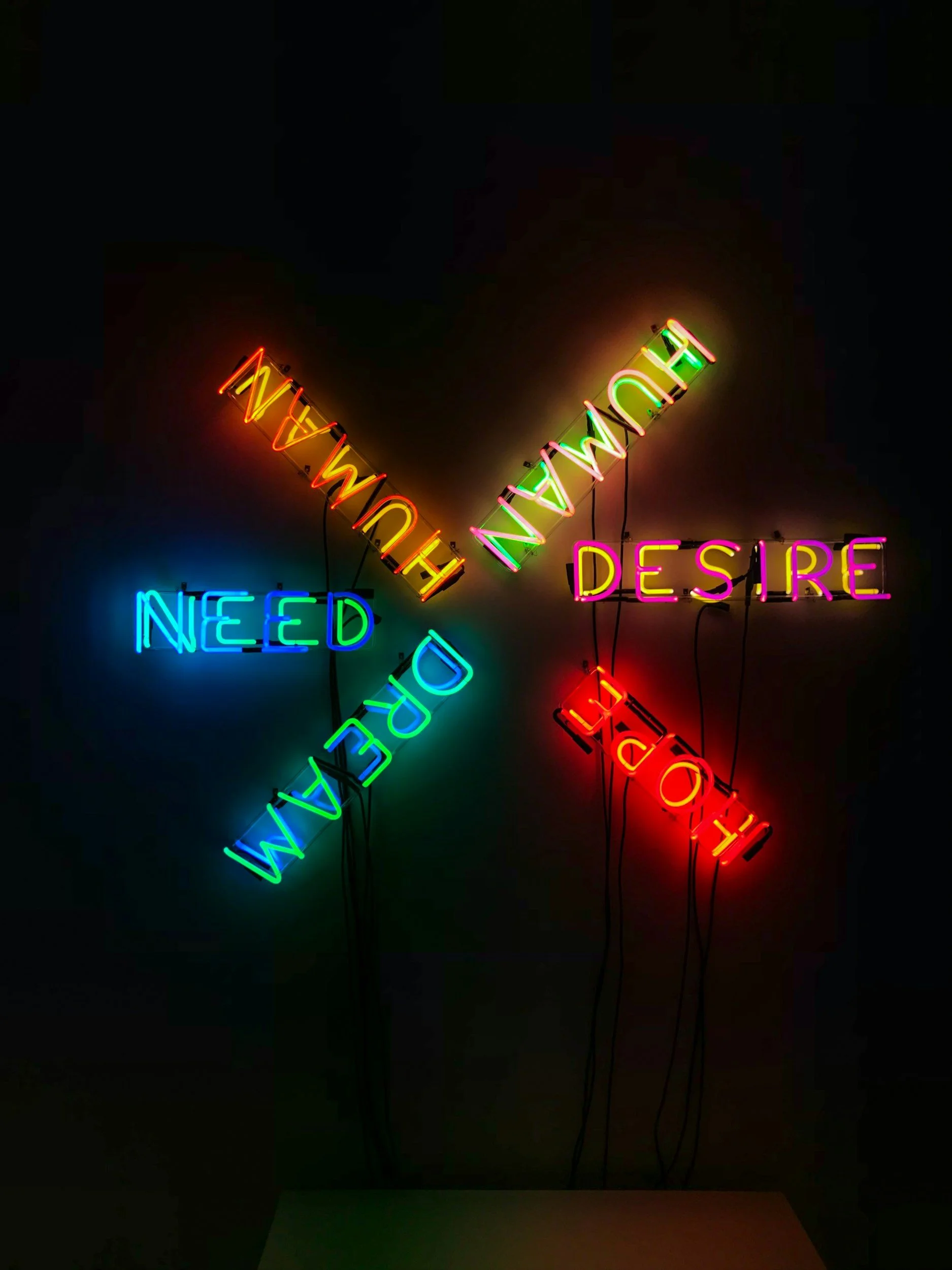
Beneath many recurring conflicts lies an unspoken need. Perhaps you’re longing for reassurance, understanding, closeness, appreciation, or simply to feel heard. Rather than asking whether your needs are right or wrong, simply notice what they are. Awareness creates the opportunity for clearer communication and deeper connection.
Sometimes nothing has changed except the way we begin to look at it. And from that different perspective, what once felt impossible to understand can start to make a little more sense.
Closing. If your relationship feels confusing right now..
It doesn’t automatically mean it’s wrong.
It doesn’t mean you have to rush into a decision.
Sometimes, it means there’s something deeper happening that hasn’t been fully understood yet.
The Relationship Reset
If these reflections have resonated with you, The Relationship Reset offers the opportunity to continue this work. We can look more deeply at the patterns between you, the dynamics shaping your relationships, and the practical shifts that create lasting change.