The Relationship Reset
A trauma-informed journey into conscious connection for couples, constellations, and ENM relationships ready to pause, reflect, and reset the patterns shaping their connection. Offering a structured, therapeutic process to understand how you relate, repair conflict, and build a more intentional relational future.
is a queer psychodynamic couples therapist and clinical supervisor known within the LGBTQIA+ community for thoughtful, relational approaches to intimacy and conflict. Their work centres on the belief that relationships are spaces where difference, desire, and vulnerability can be explored with curiosity rather than shame.
This course reflects Beau’s trauma-informed philosophy: non-pathologising, rooted in nervous system awareness, consent, and the belief that repair is more powerful than perfection. Drawing from years of therapeutic practice with queer couples, poly constellations, and diverse relationship structures, Beau invites you to slow down, look beneath the surface of your patterns, and build connection that is conscious, resilient, and deeply human.
Beau Charles



What you’ll be learning
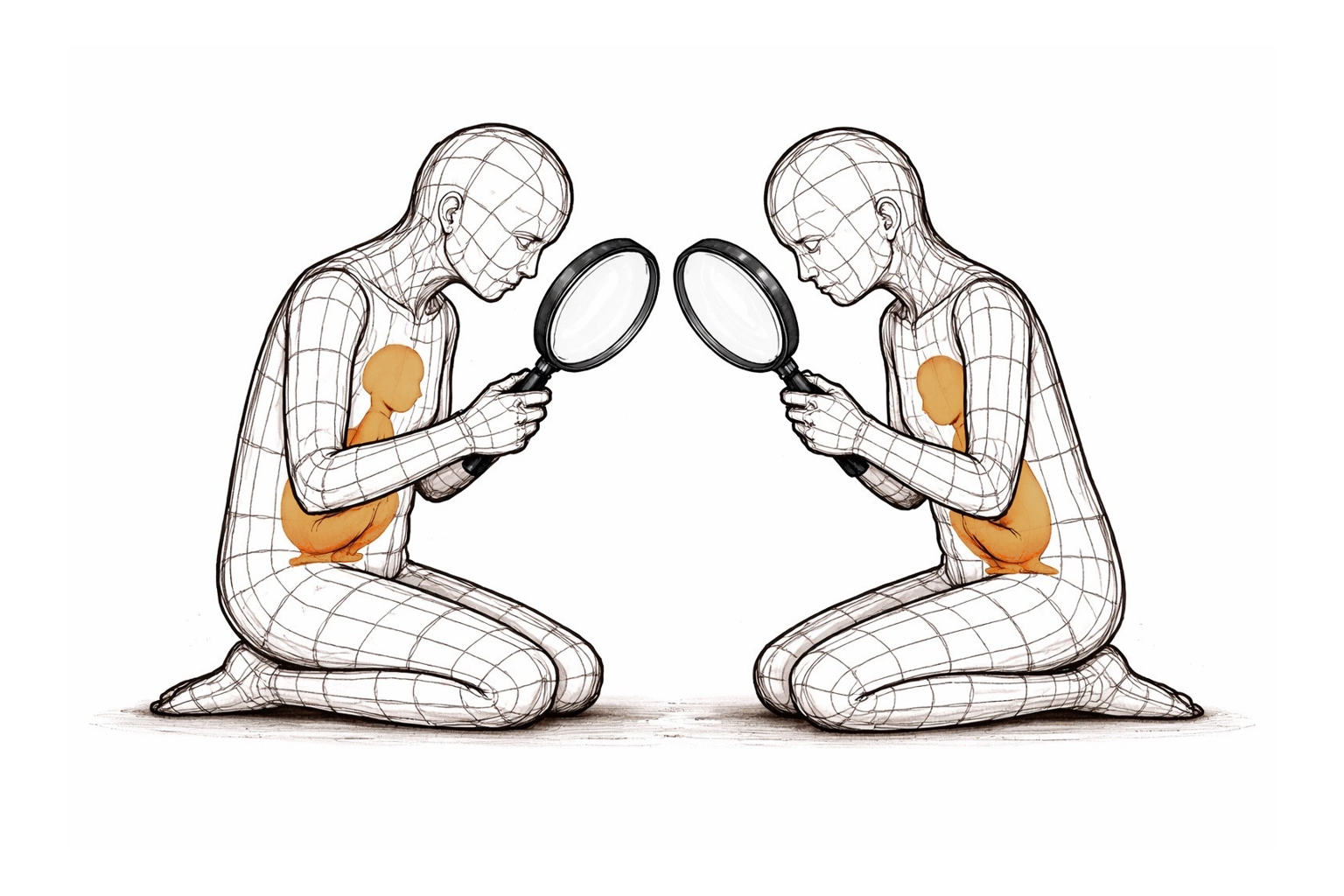
Understand your relationship patterns
Before you can change a relationship, you must see it clearly. This section invites you to step back and observe the emotional landscape you are both living inside. The subtle dynamics, attachment patterns, and recurring cycles shape how you come together and drift apart. What feels personal is often patterned. When you begin to recognise the choreography of your connection, you move from confusion to clarity, and from reaction to choice.
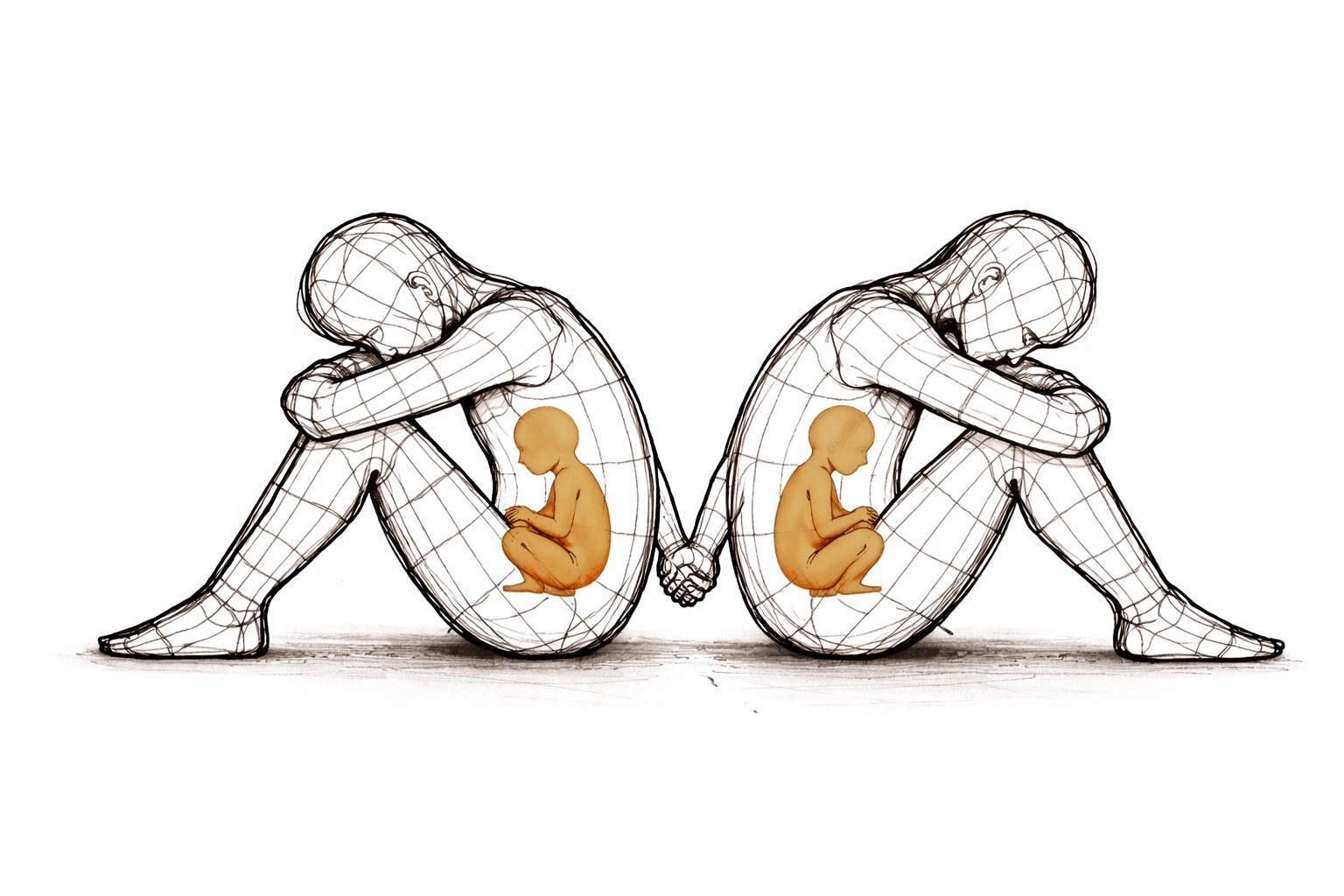
Navigate conflict with awareness
No relationship is conflict free. Here, you’ll explore how your nervous system responds when connection feels threatened: the instinct to fight, to flee, to shut down, or to appease. These responses are adaptations. By learning to recognise them in real time, you create space between trigger and reaction. In that space, something new becomes possible: less escalation, more awareness, and the beginnings of repair.
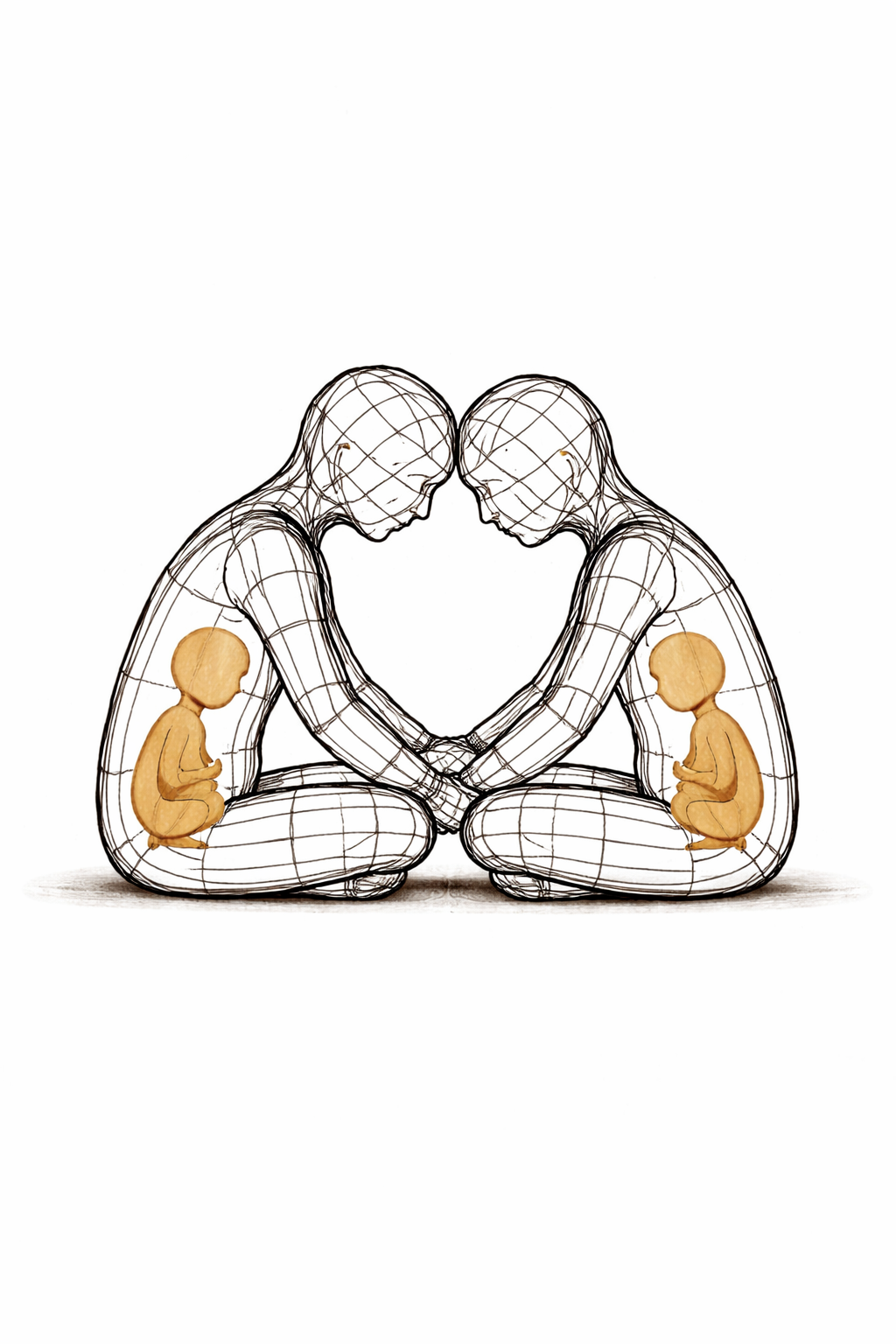
Communicate, repair and reconnect
Relationships are sustained by how we return to one another after rupture. This section focuses on the art of communication, speaking from experience rather than accusation, and listening with presence rather than defence. You’ll begin to build small, intentional rituals that support repair, restore safety, and deepen intimacy. Connection is something you learn to recreate, again and again.
Who this course is for
Couples wanting to reset their dynamic
Many couples struggle because they find themselves caught in patterns they no longer understand. The same arguments return, the same misunderstandings resurface, and over time, distance quietly grows. This course offers a pause, a chance to step back from the content of your conflict and begin to see the pattern beneath it. When you can name what’s happening between you, you create the possibility of doing something different together.
Queer and ENM relationships
Relationships that sit outside traditional structures often carry both greater freedom and greater complexity. This course is designed with queer relationships and non-monogamous constellations in mind, recognising the layered dynamics of identity, desire, boundaries, and belonging. Here we make space for difference, offering tools that honour the uniqueness of your relational structure while supporting safety, clarity, and connection within it.
Individuals seeking relational insight
You don’t need to be in a relationship to begin understanding how you relate. The patterns you carry into connection are shaped long before any partner enters the picture. By turning inward, exploring your attachment, your nervous system responses, and your relational history, you begin to shift the way you show up everywhere. Change does not always begin with other people. Sometimes, it begins with one person becoming more aware.
Why this works
Grounded in real therapeutic practice
This course is rooted in the realities of relational work. Drawing from psychodynamic therapy, attachment theory, and trauma-informed practice, it honours the complexity of how people actually love, defend, and disconnect. It’s non-pathologising, offers a lens that makes sense of what you have been living, shaped by years of working intimately with couples and relational constellations.
Focused on awareness before change
Change begins with recognition. This work is psychodynamically informed, meaning it looks beneath the surface at how early experiences, relational templates, and unmet needs continue to echo in the present. It invites you to understand the patterns you’re inside of. When you can see the pattern clearly, you are no longer unconsciously repeating it. Awareness becomes the first form of change.
Relationships do not exist in one shape. Whether you are monogamous, non-monogamous, queer, or navigating something less easily defined, this course meets you within the structure you are already in. It recognises that intimacy, conflict, desire, and repair show up differently across different relational landscapes.
Designed for real relationships
Enrol today and start developing the insight, skills, and understanding needed to create healthier patterns of connection in your relationships.
Change starts here.
The Relationship Reset
-
-
Lesson 1: The Relationship Landscape
This exercise helps you see everyone involved in your relationship system and how they connect to one another. You’ll reflect on emotional, sexual, and practical dynamics, noticing where support, tension, or gaps exist. It’s a simple way to create a clear picture of your relational landscape and set the foundation for the rest of the course.
This exercise helps you see everyone involved in your relationship system and how they connect to one another. You’ll reflect on emotional, sexual, and practical dynamics, noticing where support, tension, or gaps exist. It’s a simple way to create a clear picture of your relational landscape and set the foundation for the rest of the course.
-
Lesson 2: Relationship Reality Scan
The Relationship Reality Scan helps each partner take an honest snapshot of how the relationship feels right now. By rating key areas from 1–10, you can see what’s working, what feels stretched, and where care or attention is needed.
The Relationship Reality Scan helps each partner take an honest snapshot of how the relationship feels right now. By rating key areas from 1–10, you can see what’s working, what feels stretched, and where care or attention is needed.
-
Lesson 3: Identifying Core Concerns
This lesson helps each partner identify their most important concerns through individual reflection. By noticing shared themes, avoided topics, and what feels hardest to name, you begin to uncover what truly needs attention in the relationship.
This lesson helps each partner identify their most important concerns through individual reflection. By noticing shared themes, avoided topics, and what feels hardest to name, you begin to uncover what truly needs attention in the relationship.
-
-
-
Lesson 1: Survival Responses
This section explores how your nervous system responds when a relationship feels unsafe or under threat. Understanding your default survival responses helps you make sense of conflict patterns without shame or self-blame.
This section explores how your nervous system responds when a relationship feels unsafe or under threat. Understanding your default survival responses helps you make sense of conflict patterns without shame or self-blame.
-
Lesson 2: The Window of Tolerance
This lesson introduces the Window of Tolerance as a way to understand how your nervous system responds during conflict. By identifying where you and your partner(s) tend to sit on the scale (from shutdown to overwhelm) you can better recognise when regulation is needed. This awareness helps shift conflict from something personal or blaming into something that can be worked with together.
This lesson introduces the Window of Tolerance as a way to understand how your nervous system responds during conflict. By identifying where you and your partner(s) tend to sit on the scale (from shutdown to overwhelm) you can better recognise when regulation is needed. This awareness helps shift conflict from something personal or blaming into something that can be worked with together.
-
Lesson 3: Rupture and Repair
This lesson explores how conflict lives in the body and offers tools to notice, regulate, and return to connection. By tuning into your own and your partner’s physical and emotional responses, you’ll learn to recognise activation before it escalates. Using simple, shared regulation practices, you can create safety, calm, and presence, transforming moments of tension into opportunities for repair and deeper connection.
This lesson explores how conflict lives in the body and offers tools to notice, regulate, and return to connection. By tuning into your own and your partner’s physical and emotional responses, you’ll learn to recognise activation before it escalates. Using simple, shared regulation practices, you can create safety, calm, and presence, transforming moments of tension into opportunities for repair and deeper connection.
-
-
-
Lesson 1: Attachment Dynamics
Attachment patterns do not disappear when relationships expand, they often become more visible. In queer and ethically non-monogamous dynamics, attachment can feel amplified. Multiple bonds, shifting boundaries, and cultural marginalisation can activate deeper fears of abandonment, comparison, or exclusion.
Attachment patterns do not disappear when relationships expand, they often become more visible. In queer and ethically non-monogamous dynamics, attachment can feel amplified. Multiple bonds, shifting boundaries, and cultural marginalisation can activate deeper fears of abandonment, comparison, or exclusion.
-
Lesson 2: Case Study 1: Anxious-Avoidant in a Couple
Explore how anxious and avoidant patterns create cycles of disconnection. Learn to recognise triggers, understand each partner’s protective responses, and reflect on small steps for repair and regulation without blame.
Explore how anxious and avoidant patterns create cycles of disconnection. Learn to recognise triggers, understand each partner’s protective responses, and reflect on small steps for repair and regulation without blame.
-
-
-
Lesson 1: Trauma-Informed Language Shifts
Learn to speak and listen with presence, grounding your words in your body and needs. Practice shifting language from blame to curiosity, express feelings clearly, and receive your partner’s truth with empathy. Build connection, reduce defensiveness, and transform conflict into dialogue.
Learn to speak and listen with presence, grounding your words in your body and needs. Practice shifting language from blame to curiosity, express feelings clearly, and receive your partner’s truth with empathy. Build connection, reduce defensiveness, and transform conflict into dialogue.
-
Lesson 2: Therapeutic Prompts for Depth Work
Explore how early relationship models and inner child experiences shape the way you love today. Through guided therapeutic prompts, you’ll reflect on conflict, attachment, and emotional safety in your upbringing, and uncover the patterns that echo in your current relationships. This lesson builds self-awareness, compassion, and the foundation for more conscious connection.
Explore how early relationship models and inner child experiences shape the way you love today. Through guided therapeutic prompts, you’ll reflect on conflict, attachment, and emotional safety in your upbringing, and uncover the patterns that echo in your current relationships. This lesson builds self-awareness, compassion, and the foundation for more conscious connection.
-
-
-
Lesson 1: Weekly Check-in Ritual
Here, we’ll be tending to what matters, before disconnection takes hold. A regular return point, where both of you can be seen, heard, and recalibrated.
Here, we’ll be tending to what matters, before disconnection takes hold. A regular return point, where both of you can be seen, heard, and recalibrated.
-
-
-
Lesson 1: Rules for Rowing
Every relationship experiences tension. Different people, with different histories, needs, and nervous systems, will inevitably collide. The question is not whether you fight, but how you fight. This section introduces a shared set of agreements, a way of “rowing” together when the water gets rough, to move through it without losing each other in the process.
Every relationship experiences tension. Different people, with different histories, needs, and nervous systems, will inevitably collide. The question is not whether you fight, but how you fight. This section introduces a shared set of agreements, a way of “rowing” together when the water gets rough, to move through it without losing each other in the process.
-
-
-
Lesson 1: Reclaiming Pleasure, Safety, and Erotic Connection
Sex is not just physical. It is emotional, psychological and relational. It carries everything, our histories, our beliefs, our shame, our longing, our sense of worth, our capacity to receive and to be seen. In long-term relationships desire changes. It responds to safety, novelty, pressure, distance, and meaning. What once felt effortless may begin to feel complex, and what feels complex often gets avoided.
Sex is not just physical. It is emotional, psychological and relational. It carries everything, our histories, our beliefs, our shame, our longing, our sense of worth, our capacity to receive and to be seen. In long-term relationships desire changes. It responds to safety, novelty, pressure, distance, and meaning. What once felt effortless may begin to feel complex, and what feels complex often gets avoided.
-
-
-
Lesson 1: Imagining the Relationship you are Building
Every relationship is shaped not only by what has happened, but by what is imagined. Without a shared vision, relationships tend to default to patterns, history, and unconscious repetition. But when you begin to articulate what you want, not just what you don’t want, you create direction. You move from reacting to the past into consciously shaping the future.
Every relationship is shaped not only by what has happened, but by what is imagined. Without a shared vision, relationships tend to default to patterns, history, and unconscious repetition. But when you begin to articulate what you want, not just what you don’t want, you create direction. You move from reacting to the past into consciously shaping the future.
-
-
-
Lesson 1: Relational Contract
Every relationship operates by a set of rules, whether spoken or unspoken. When those rules remain implicit, they are often shaped by assumption, history, or unconscious expectation. This can lead to misunderstanding, disappointment, or disconnection. A relational contract makes the invisible visible. It will evolve as you do.
Every relationship operates by a set of rules, whether spoken or unspoken. When those rules remain implicit, they are often shaped by assumption, history, or unconscious expectation. This can lead to misunderstanding, disappointment, or disconnection. A relational contract makes the invisible visible. It will evolve as you do.
-
Frequently Asked Questions
-
Conflict is part of every relationship and in turn, part of this process. As you begin to look more closely at your patterns, things that were previously unspoken may come into view. The course is designed to support you in navigating these moments with more awareness. If it feels uncomfortable, you are likely touching something important.
-
Not at all. Some people arrive in moments of tension or disconnection, while others come simply wanting to understand each other more deeply. The work is as valuable for strengthening connection as it is for repairing it. In many ways, the most powerful time to do this work is before things feel unmanageable.
-
This course is intentionally inclusive of different relational structures, including monogamous, non-monogamous, and queer relationships.
-
This course is not therapy, but it is shaped by therapeutic thinking. The Relationship Reset is a self-paced experience created by Beau Charles, drawing on psychodynamic, attachment-based, and trauma-informed approaches. While Beau will not be offering individual feedback, the material is designed to help you reflect deeply, at your own pace, in a way that feels contained and accessible.
-
Change in a relationship rarely requires both people to begin at the same time. When one person becomes more aware of their patterns, the dynamic often starts to shift in subtle but meaningful ways. You can move through this course alone and still experience significant insight, not only into your current relationship, but into how you relate more broadly.
-
Yes. Relationships are not one-size-fits-all, and neither is this course. If you are part of a couple or a wider relational constellation, you are welcome to engage with the material together. You may choose to watch, reflect, and complete exercises collaboratively, or move through the content individually and come back together in conversation.
-
This is designed to be a 15 hour, self-paced course, allowing you to move in a way that honours your capacity and your relationship. Some will move through it in a few focused sittings, while others will take more time, returning to certain sections, revisiting exercises, and allowing insights to unfold gradually. There is no rush. The depth comes from how you engage, not how quickly you complete it.
-
It’s recommended that you move through the course slowly, section by section, allowing space to reflect rather than rushing to complete it. Using pen and paper as you go will help you capture your thoughts more honestly, and gives you something to return to and reflect on later, noticing how your understanding evolves over time.
Each section is designed to build on the last. As you complete them, you’ll be able to tick them off and track your progress, giving you a sense of movement through the work.