
When It Feels Like We Are Going Backwards
There is something deeply unsettling about watching the world around us change and then, suddenly, watching parts of it seem to change back again. The last few weeks have brought up that familiar feeling that perhaps we are not moving forwards after all. It is a difficult feeling to put into words because it is the accumulation of things, the constant reminders that our lives, our identities and our right to exist comfortably in the world are still being debated by people who do not know us.

A Thought: Maybe We Need To Take Laughter More Seriously
As therapists, we spend a lot of time talking about difficult things.
We talk about grief, anxiety, trauma, relationships, shame, loneliness, anger, fear and all the things that hurt, and rightly so. Being able to sit with difficult emotions is an important part of therapy and of being human.
But sometimes I wonder if we also need a really good laugh.

Not Everything Needs To Be A Lesson
We have become remarkably good at turning pain into productivity. When a relationship ends, we look for the lesson. When a friendship falls apart, we talk about the growth it gave us. When we lose a job, we search for the silver lining. Even difficult years are often described in terms of the resilience they built, as though every painful experience must eventually justify itself by making us stronger, wiser, or more self-aware.
Why Do We Stay in Situations That We Know Aren’t Working?
There is a deep discomfort that comes from knowing something is not working, while simultaneously feeling completely unable to change it. You know the friendship has become one sided, but you keep answering their messages.

Will We Make It Home?
There is a fear that has begun to settle into the edges of queer life again, one that many of us hoped belonged firmly to history. It hums beneath moments that should feel joyful, celebratory and free. It sits in the background of Pride events, in the decision to hold a partner’s hand in public, in the calculation of how safe a space might really be. Increasingly, it is showing up in a new and deeply unsettling question: will I make it home safely from this?
Medical Misogyny
Medical misogyny remains one of the most persistent and damaging forms of bias within healthcare, and it is so often normalised. It appears in the minimisation of pain, in the assumption that women and girls are exaggerating, in the tendency to attribute complex symptoms to stress, hormones, weight, or emotion before proper investigation has taken place. It is reinforced by a medical culture that has historically treated male bodies as the default, leaving women’s symptoms more likely to be misunderstood, delayed, or dismissed altogether.
Why Love Is Not Enough
Love is often spoken about as though it is the most important ingredient in a relationship, the thing that should be able to carry two people through anything. It is romanticised as a kind of glue that can hold everything together, even when things are difficult or unclear. Yet in practice, and particularly in therapeutic spaces, it becomes clear that love alone is not what sustains a relationship over time..
Pride Month
I attended my first Pride twenty-one years ago, when I was eighteen and still trying to find language for myself, let alone a sense of belonging. I remember arriving with a mix of nerves and anticipation, unsure of what I would find and even less sure of how I might fit into it all. What met me instead was a warmth that felt almost disorienting in its kindness, a sense of collective joy that hummed through the streets, carried on laughter, music, and the soft, steady reassurance that I was not alone.

Mother Hunger
The concept of “mother hunger”, as explored by Kelly McDaniel, offers a thoughtful framework for understanding how early emotional needs shape adult life. Rather than focusing on blame, the idea centres on recognising what may have been missing in early caregiving and how those gaps can continue to influence behaviour, relationships, and self-perception.
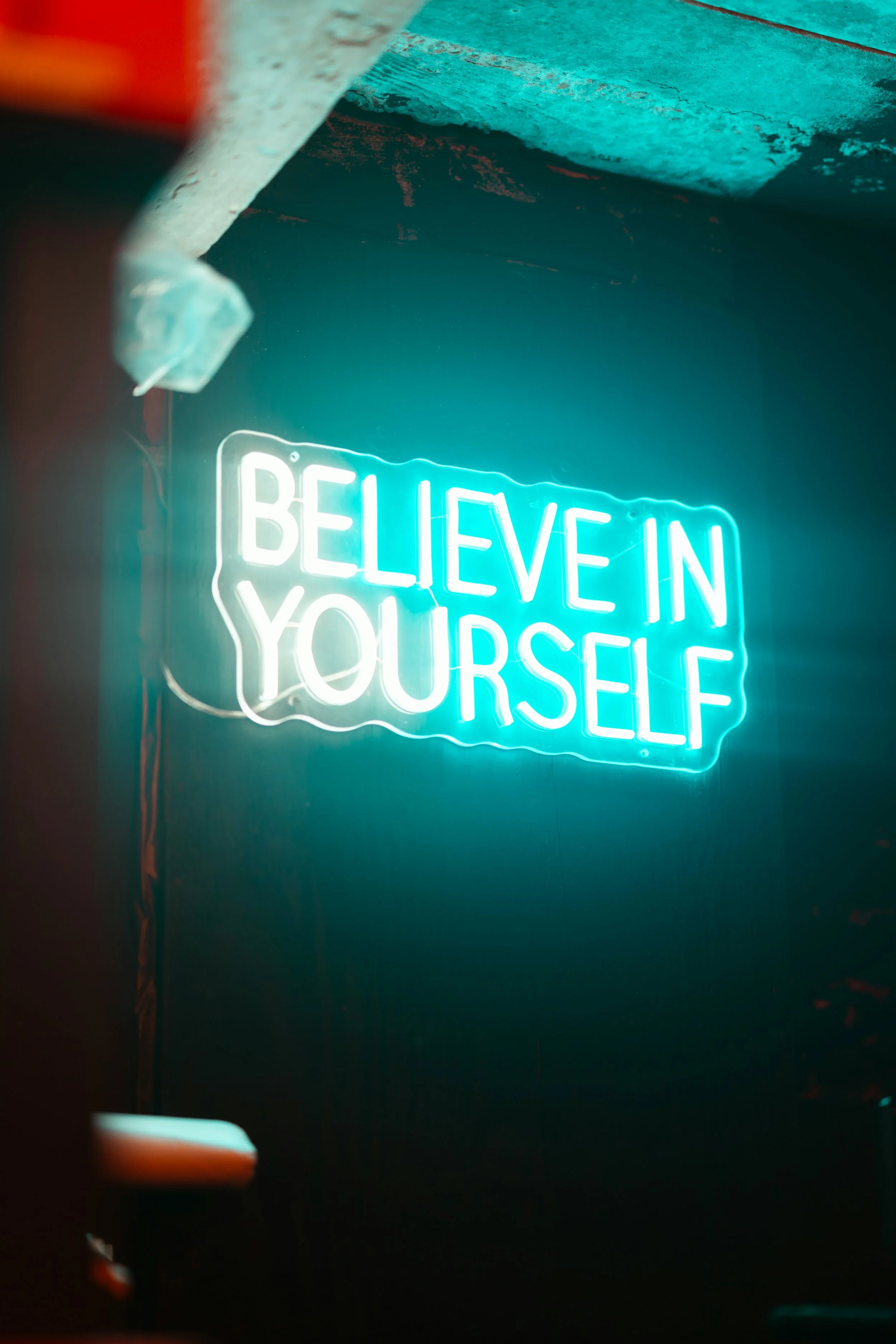
Be Your Most Authentic Self
I changed my name to Beau. As I share this with you in my newsletter, it feels both deeply personal and universally human, because at its core, this is a story about authenticity.

Cultivating Happiness
In a world that can feel relentlessly heavy, where headlines seem to tighten rather than release the chest, cultivating happiness can appear almost frivolous, or even defiant. Yet for many queer people joy has never been a passive state, it has always been something crafted, protected, and shared with intention. In this sense, happiness is a way of meeting reality with steadiness, creativity, and care.

When Healing Makes You Less Palatable
There is a quiet expectation, woven through much of the way we talk about mental health, that healing should look soft. That as we grow, we become calmer, more agreeable, easier to be around. The image is one of gentle self-awareness, of someone who has “done the work” and now moves through the world with a polished steadiness. However, for many people, particularly those of us who exist outside of normative identities, this expectation can feel inaccurate and actively alienating.

The Quiet Creep of Burnout
Burnout rarely arrives all at once. It tends to seep in quietly, threading itself through everyday life until what once felt manageable begins to feel heavy, relentless, and oddly joyless. Many people I work with describe a sense that they should be coping better, that nothing is dramatically wrong, and yet everything feels harder than it used to. This slow erosion is often overlooked, particularly by those who are carrying a disproportionate share of responsibility at home alongside work and emotional labour.
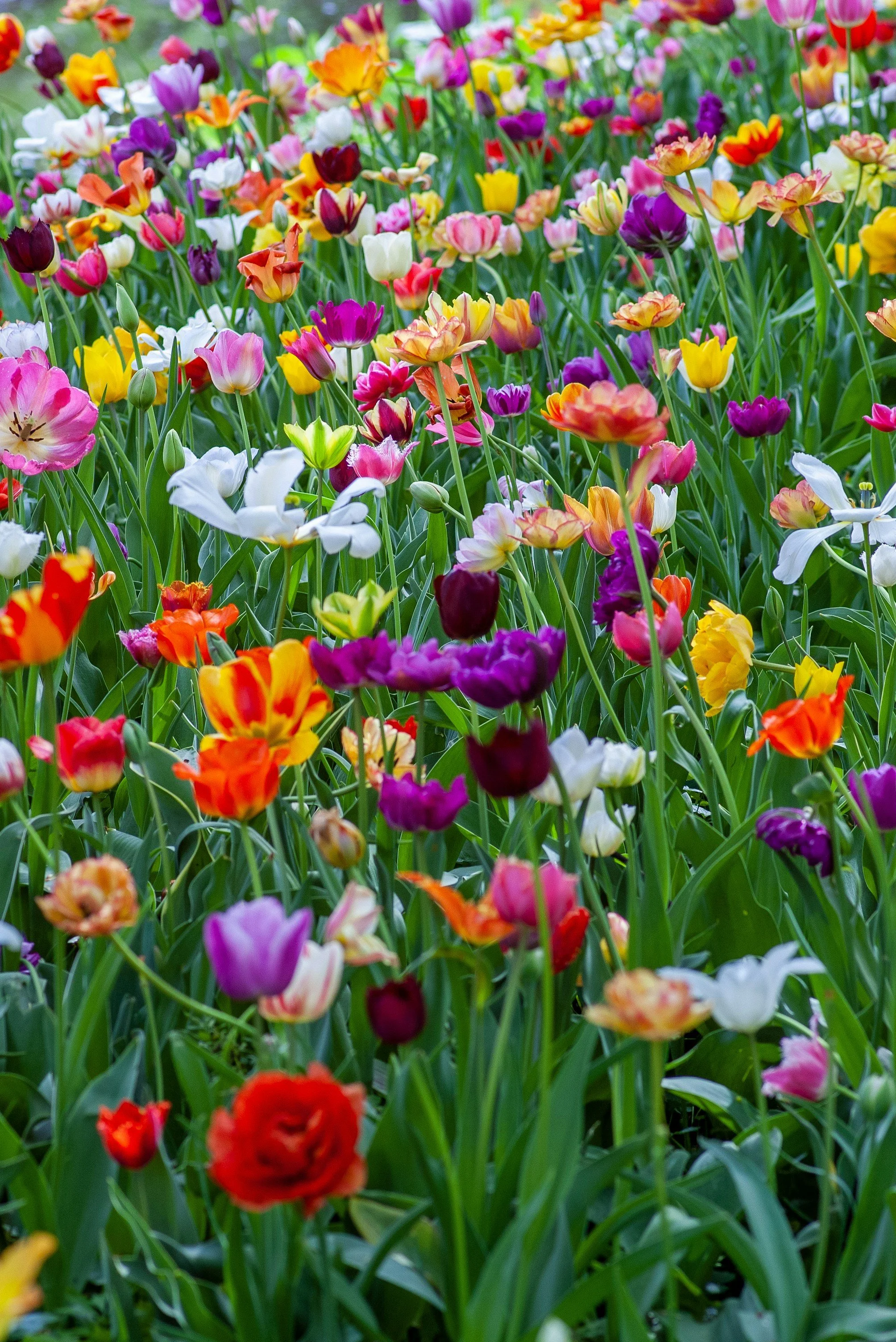
Spring Into Something New
There is something quietly radical about the idea that the real beginning of the year does not arrive in the depths of January, but instead unfolds gently with the arrival of spring. While the calendar insists that January is the time for resolutions, reinvention, and fresh starts, our bodies and minds often tell a very different story. January, with its dark mornings, early evenings, and lingering chill, rarely feels like a moment of natural momentum. Spring, however, carries unspoken invitation. It feels like the world is ready again, and perhaps we are too.
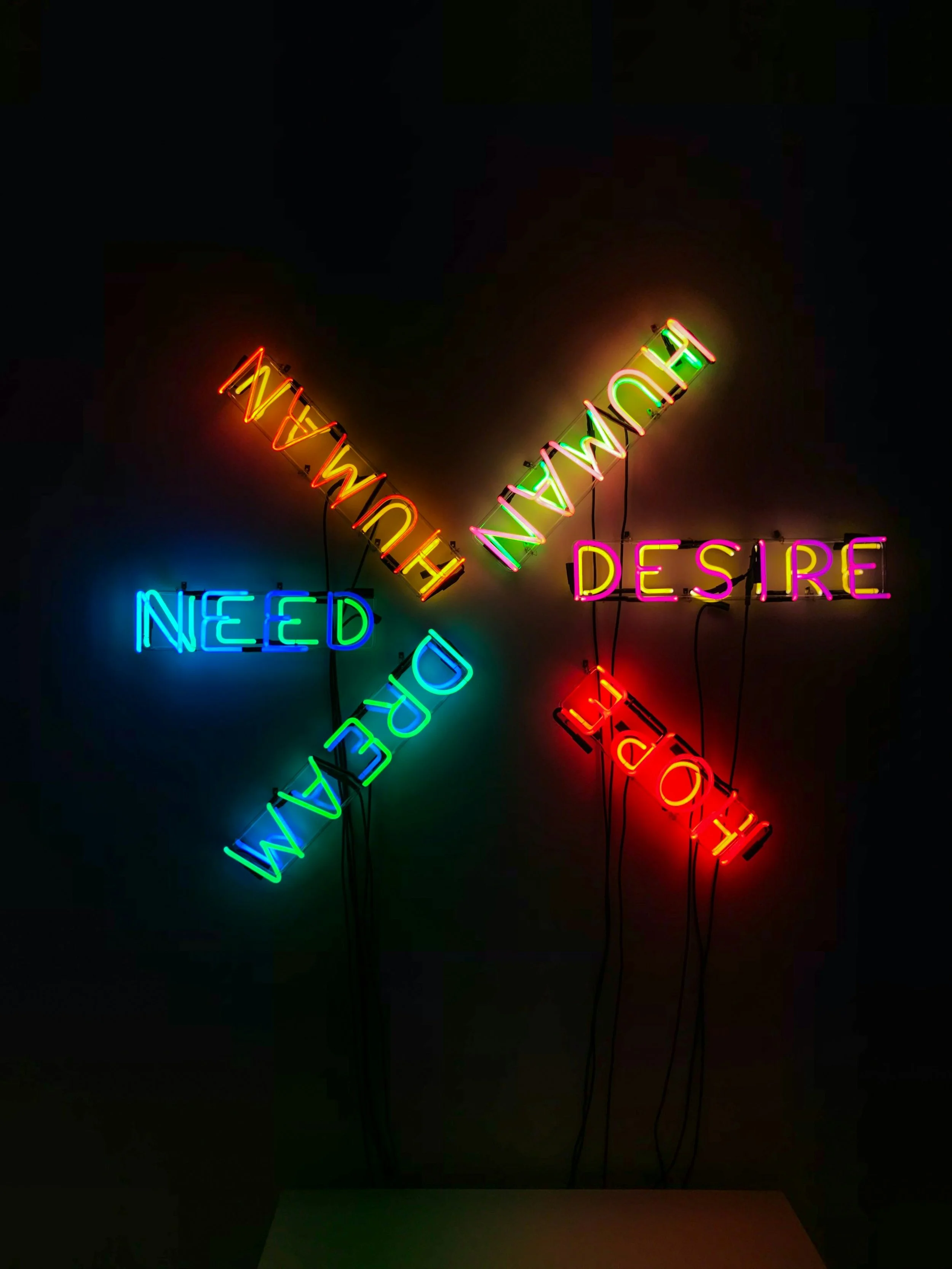
Reclaiming Desire: Understanding the Impact of ‘comp-het’
Compulsory heterosexuality, often shortened to comp het, describes the powerful social conditioning that positions heterosexuality as the expected path for people, especially women and people assigned female at birth.